History
King Rama I built the palace in 1782 when he moved the capital from Thonburi to the east bank of the Chao Phraya. For almost 150 years the kings of Siam lived and ruled here. The royal family now resides elsewhere, but the palace is still used for state ceremonies, which is why it can occasionally close, fully or in part, at short notice.
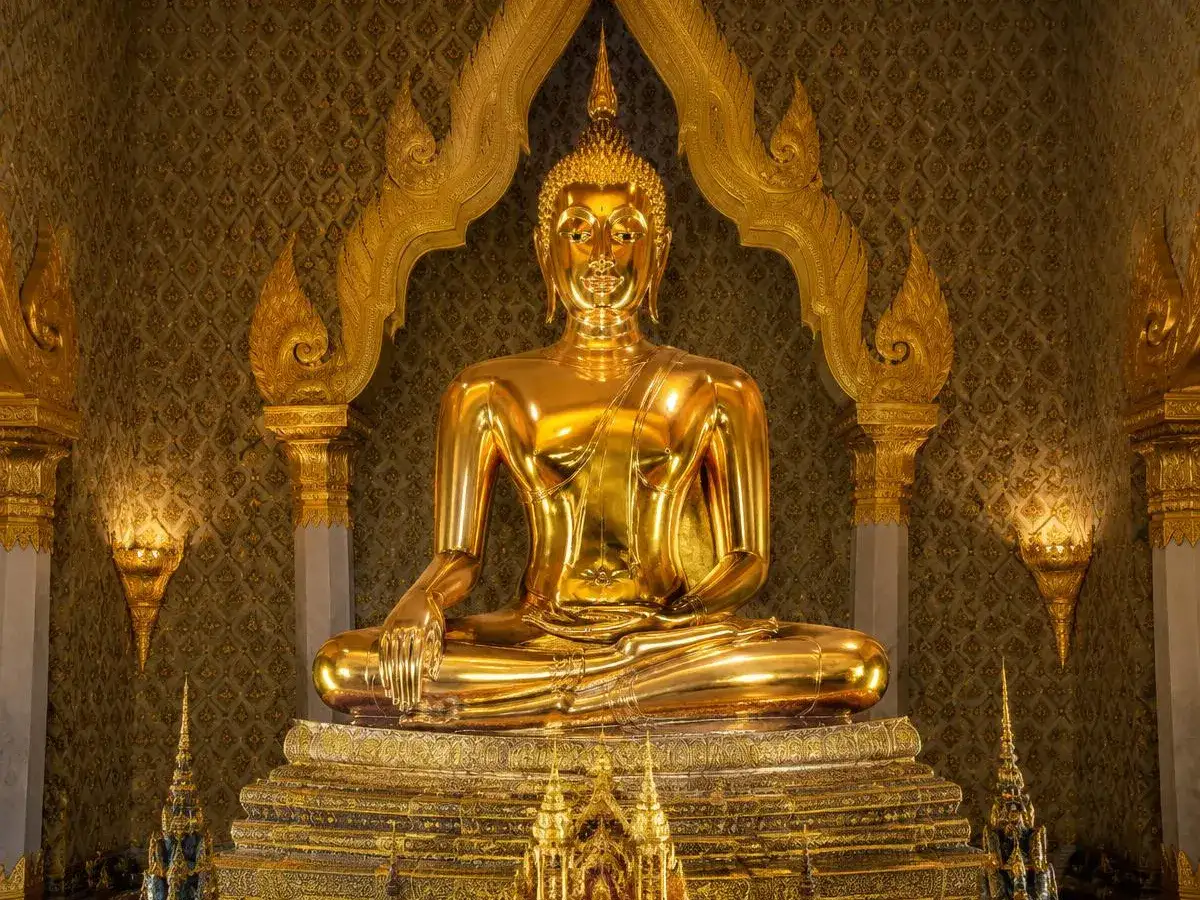
Despite its name, the Emerald Buddha is carved not from emerald but from green jade or jasper, and stands only about 66 cm tall. It is so revered that the King himself changes its golden robes three times a year, as the seasons turn.
What you'll see
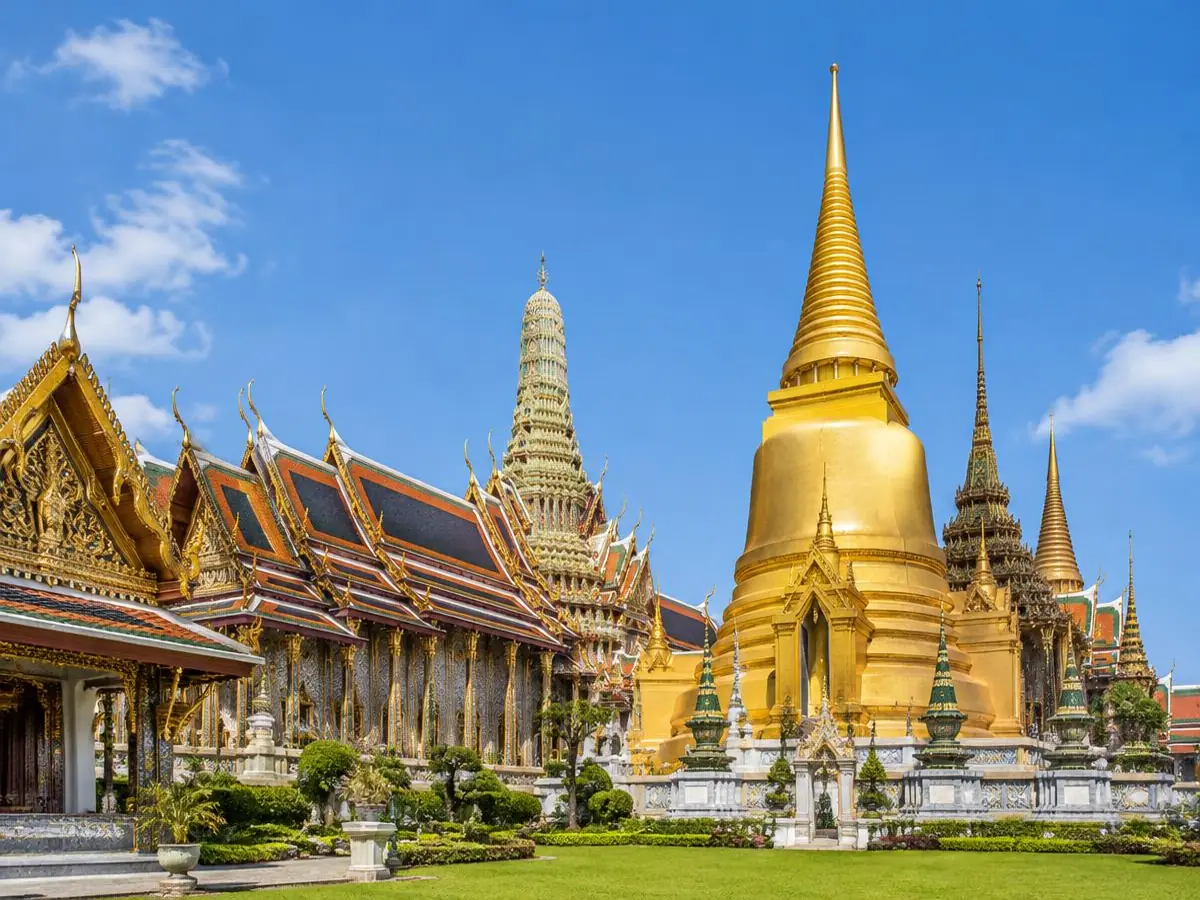
Wat Phra Kaew. The temple of the Emerald Buddha, perched on a gilded throne. Photography is not allowed inside.
The Ramakien gallery. More than 170 mural panels surrounding the temple, telling Thailand's epic tale of Prince Rama.
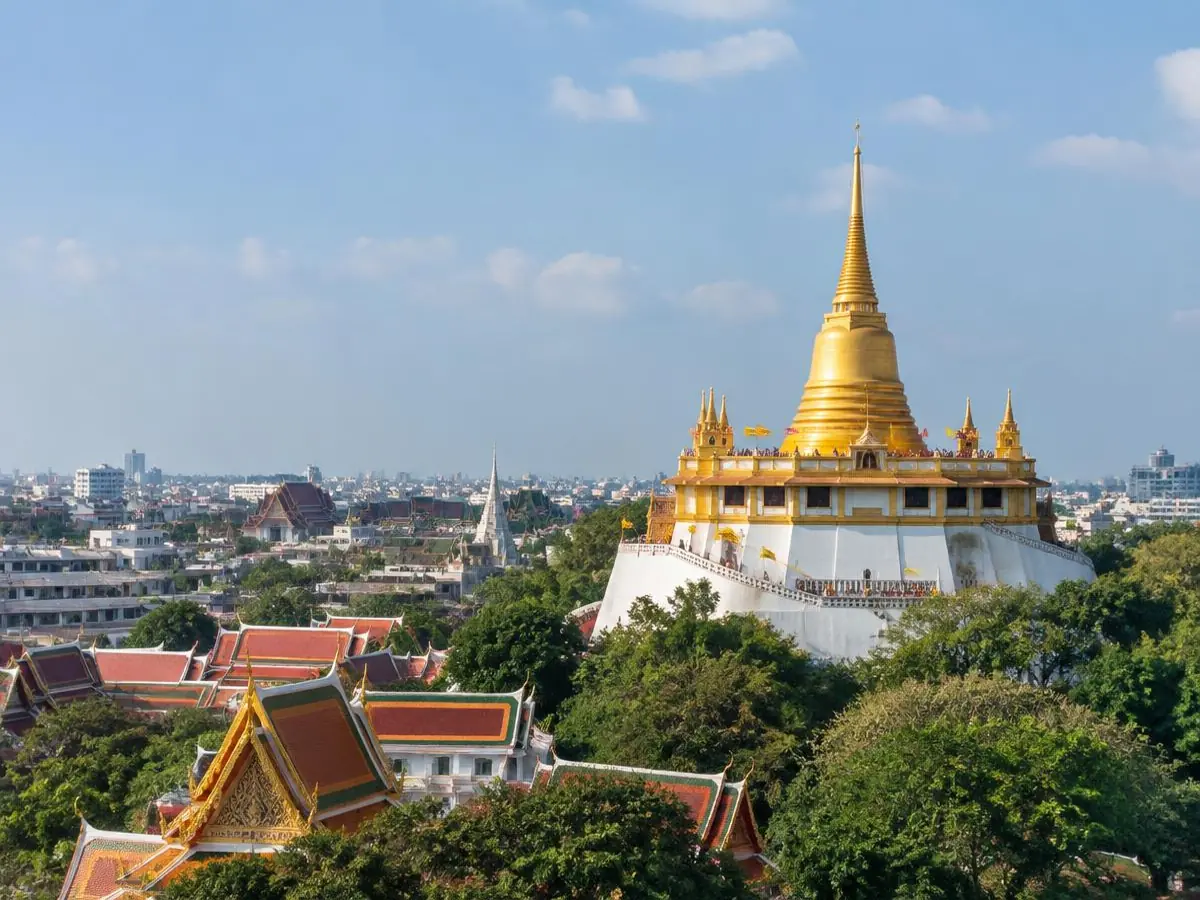
Phra Si Rattana Chedi. The golden chedi, with the model of Angkor Wat commissioned by King Rama IV right beside it.
The yakshas. Giant, brightly coloured demon guardians watching over the gates.
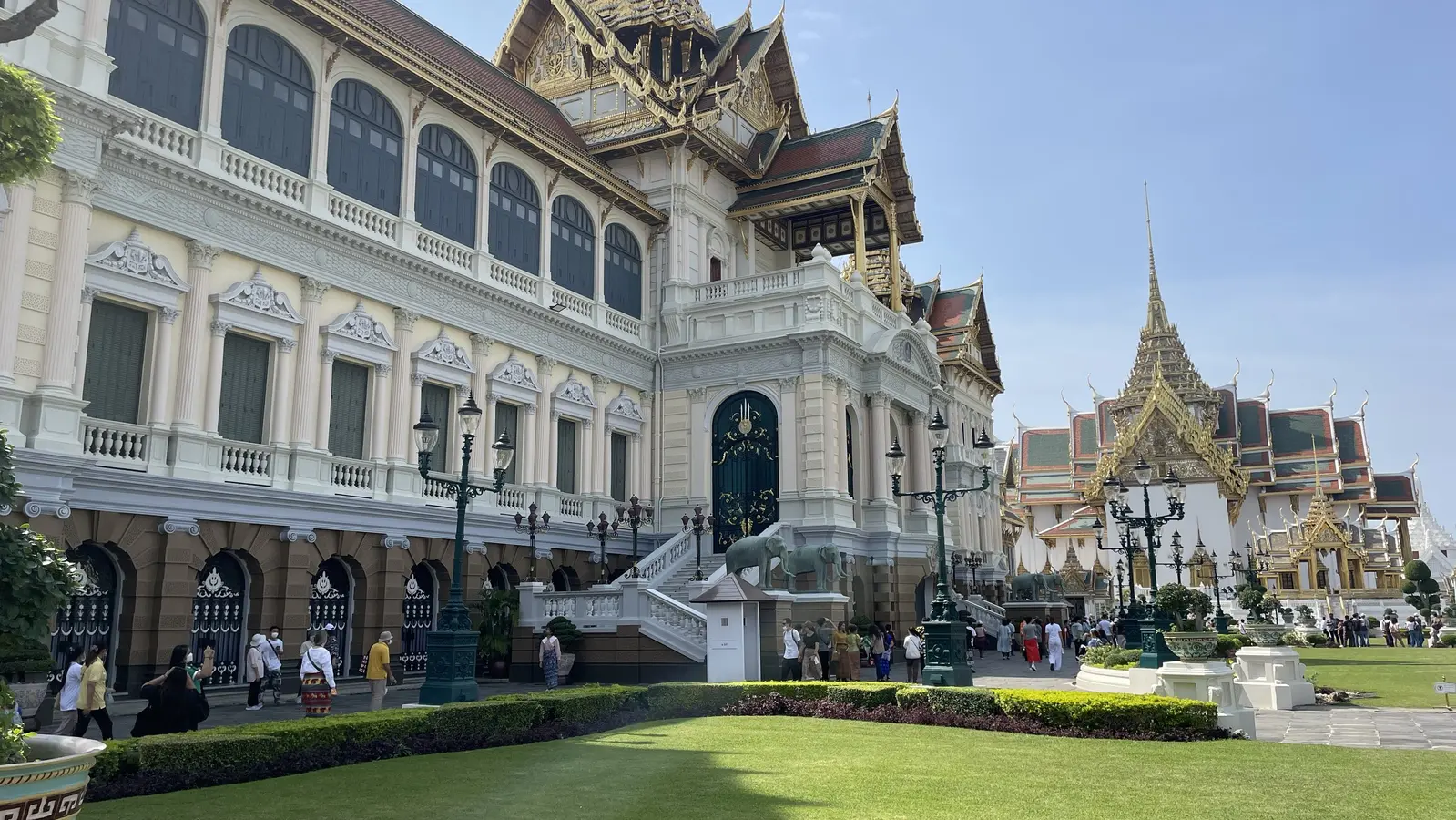
Chakri Maha Prasat (1882). The throne hall where European architecture was crowned with a Thai roof.
Queen Sirikit Museum of Textiles. Included in your ticket, and pleasantly cool.
Watch the video
Insider tips
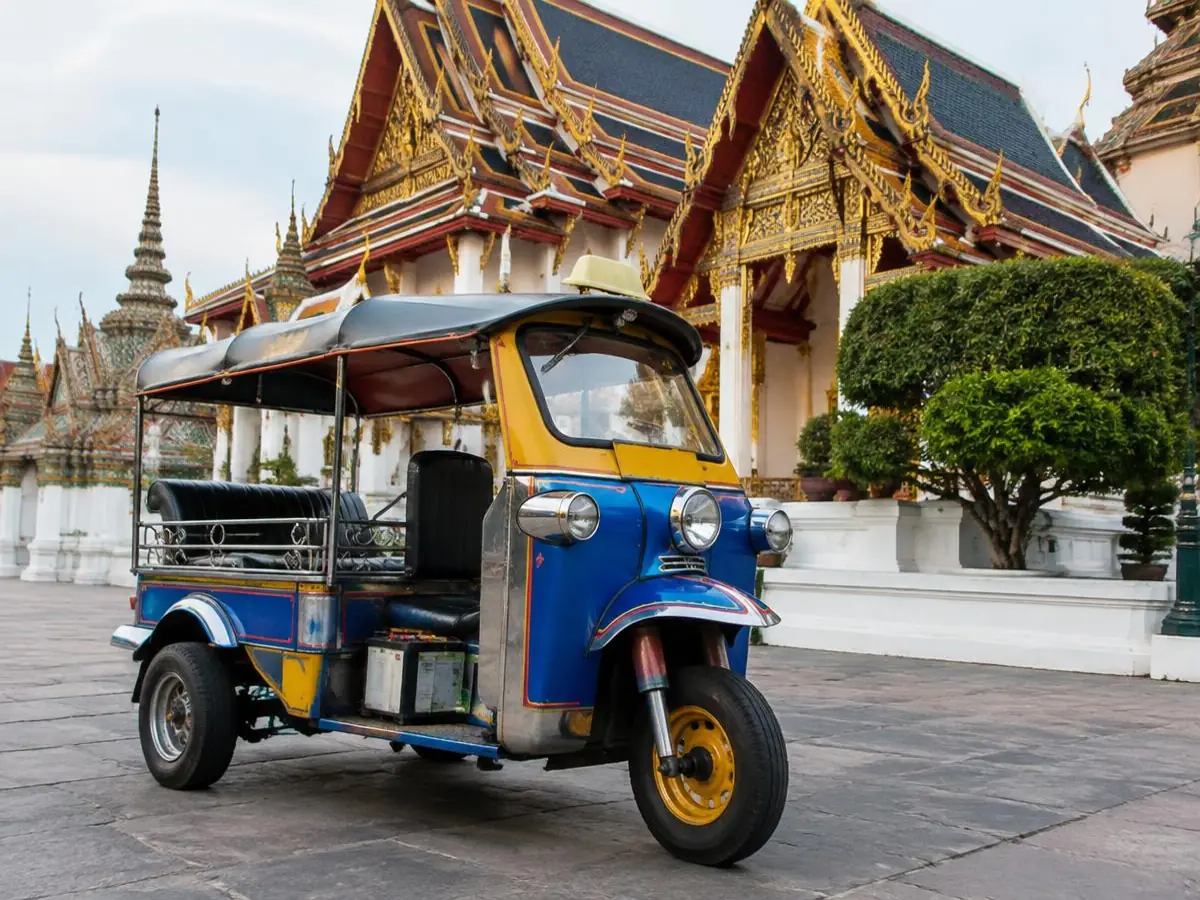
- Someone outside tells you "the palace is closed today"? Just keep walking to the official entrance. It's a well-known trick to talk you into a tuk-tuk ride past gem shops.
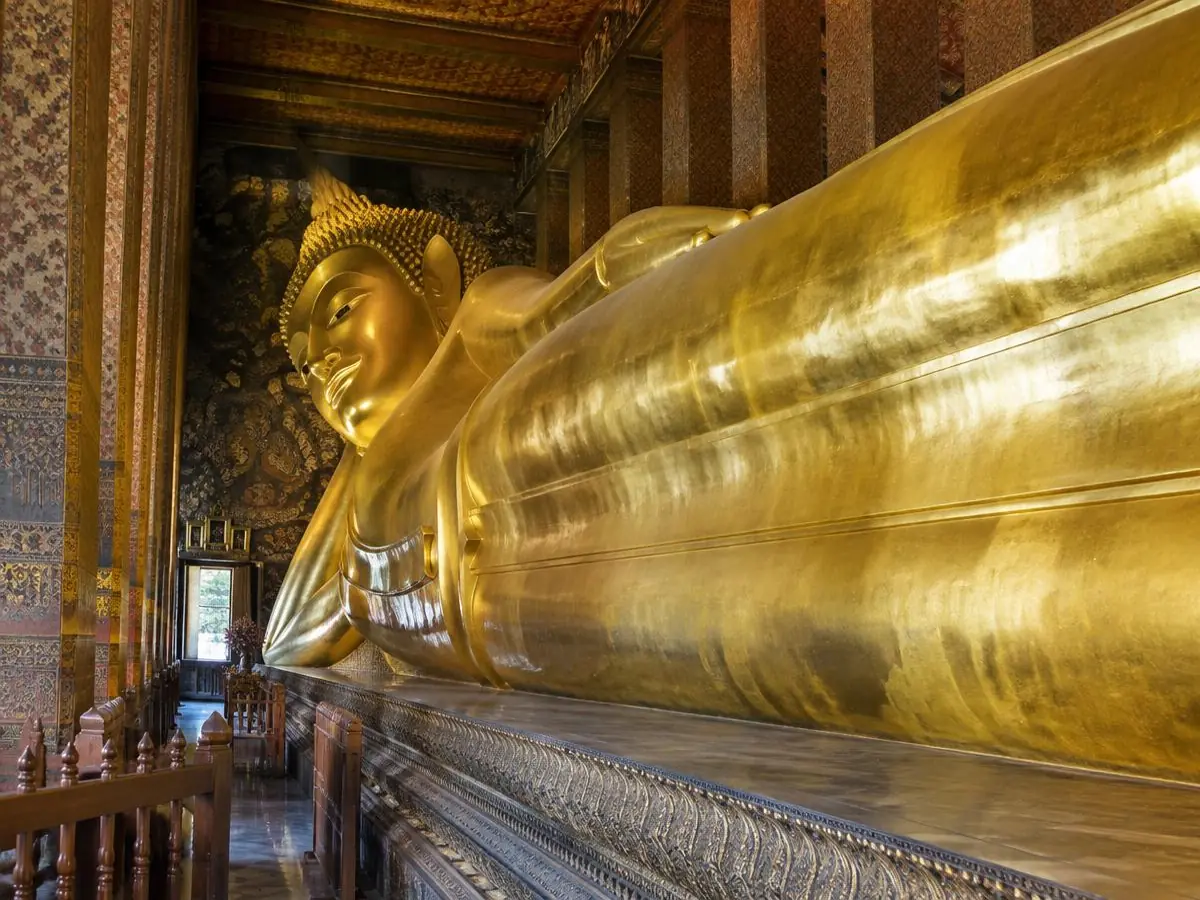
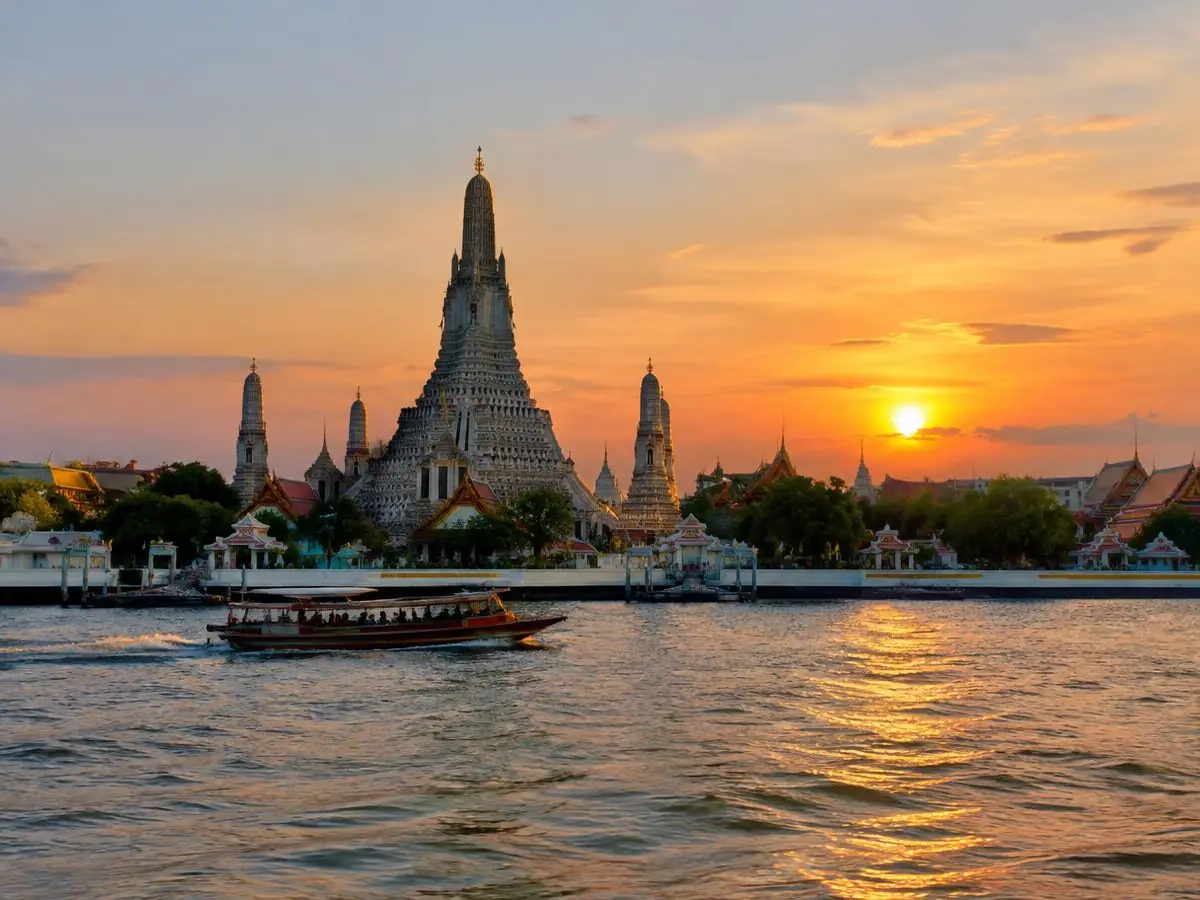
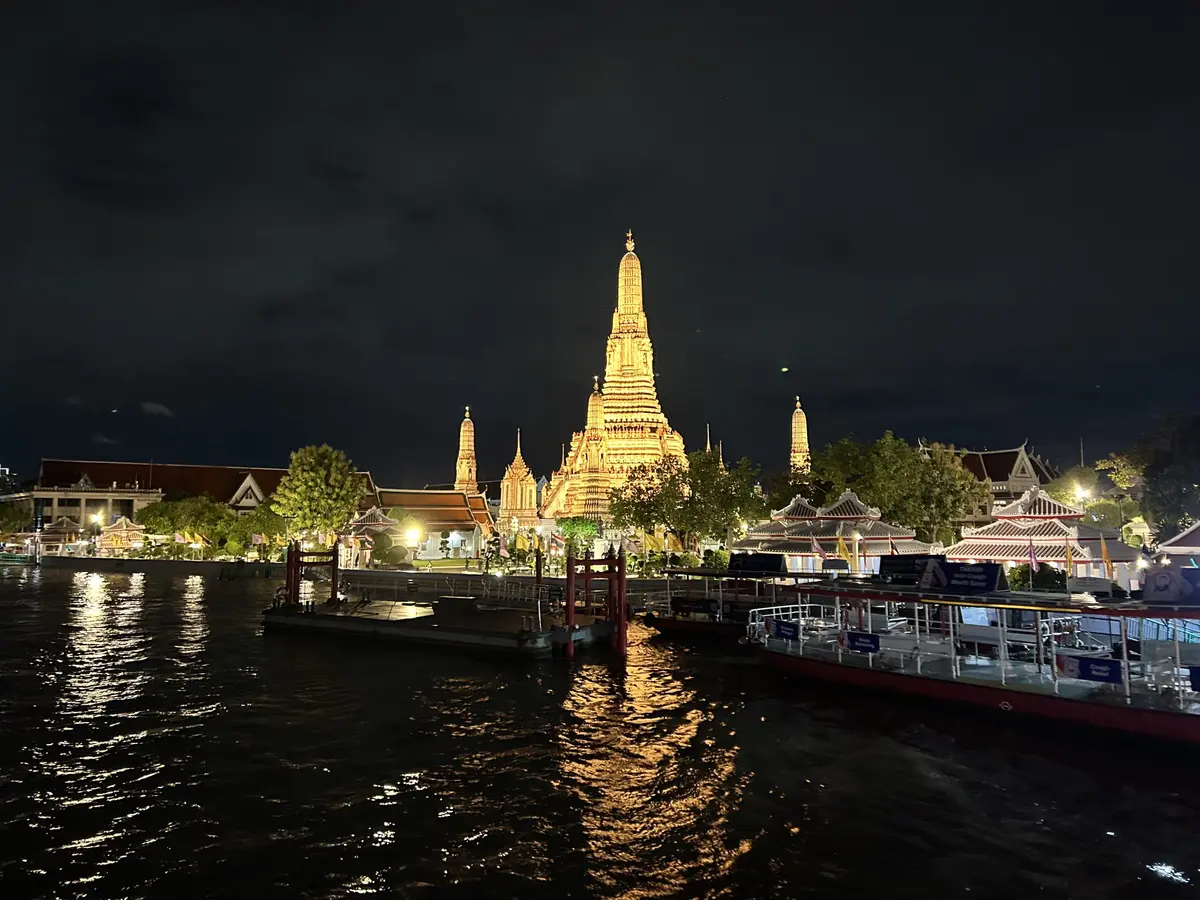
- Pair it with Wat Pho, a 10-minute walk away, then take the ferry across to Wat Arun.
- Bring water and a hat: there's little shade in the courtyards.