History
The temple predates Bangkok's time as capital and was rebuilt and expanded by King Rama I from 1788. King Rama III turned it into a kind of public university, recording knowledge of medicine, astrology and massage on its walls and on stone tablets so anyone could learn from it. These inscriptions are listed in UNESCO's Memory of the World register.
What you'll see
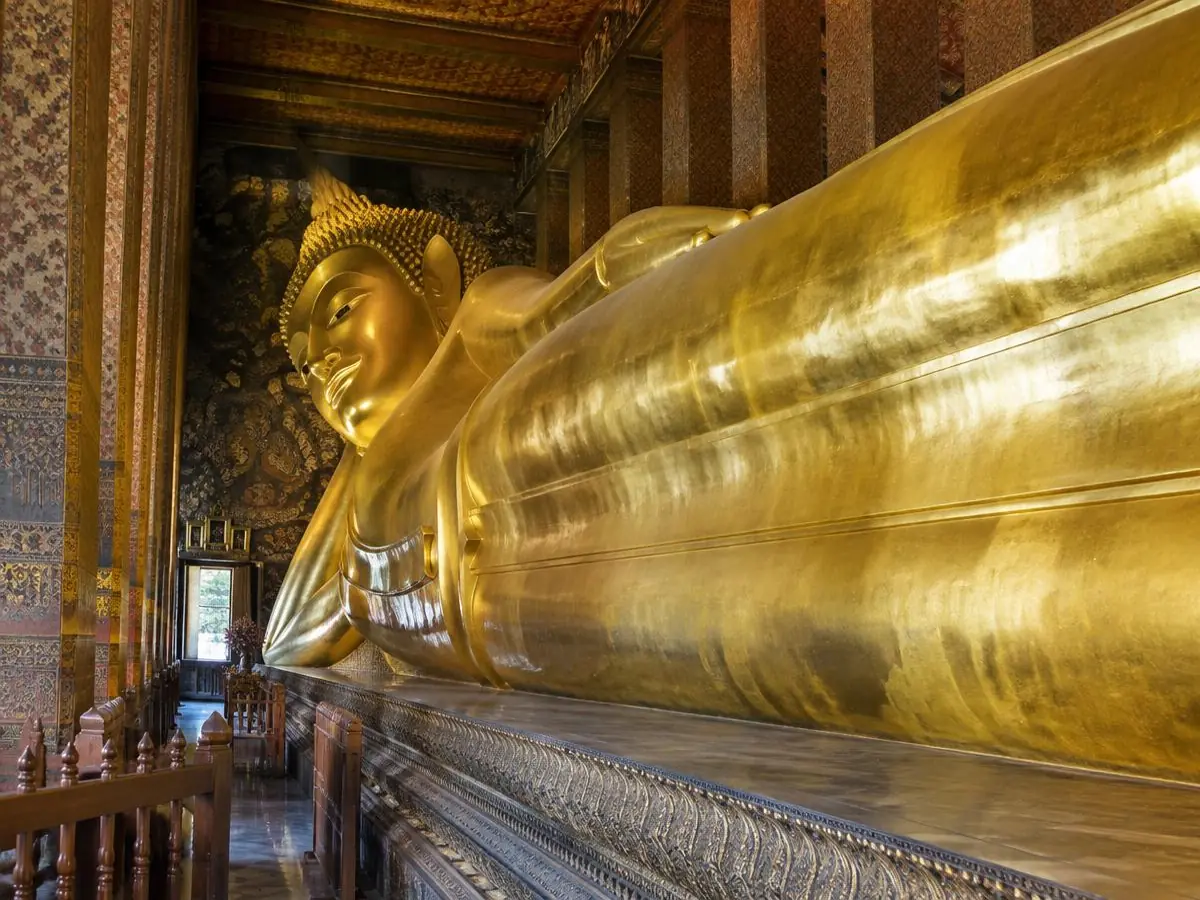
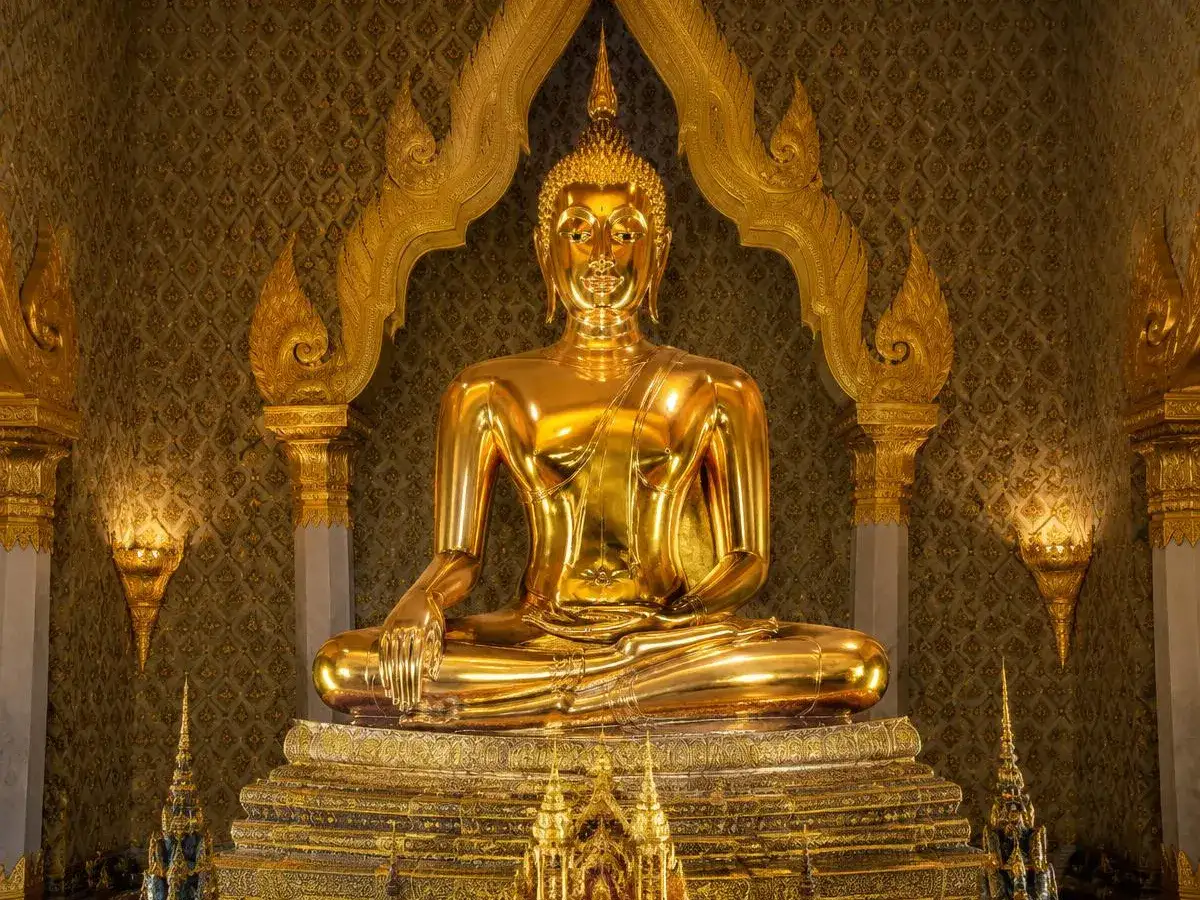
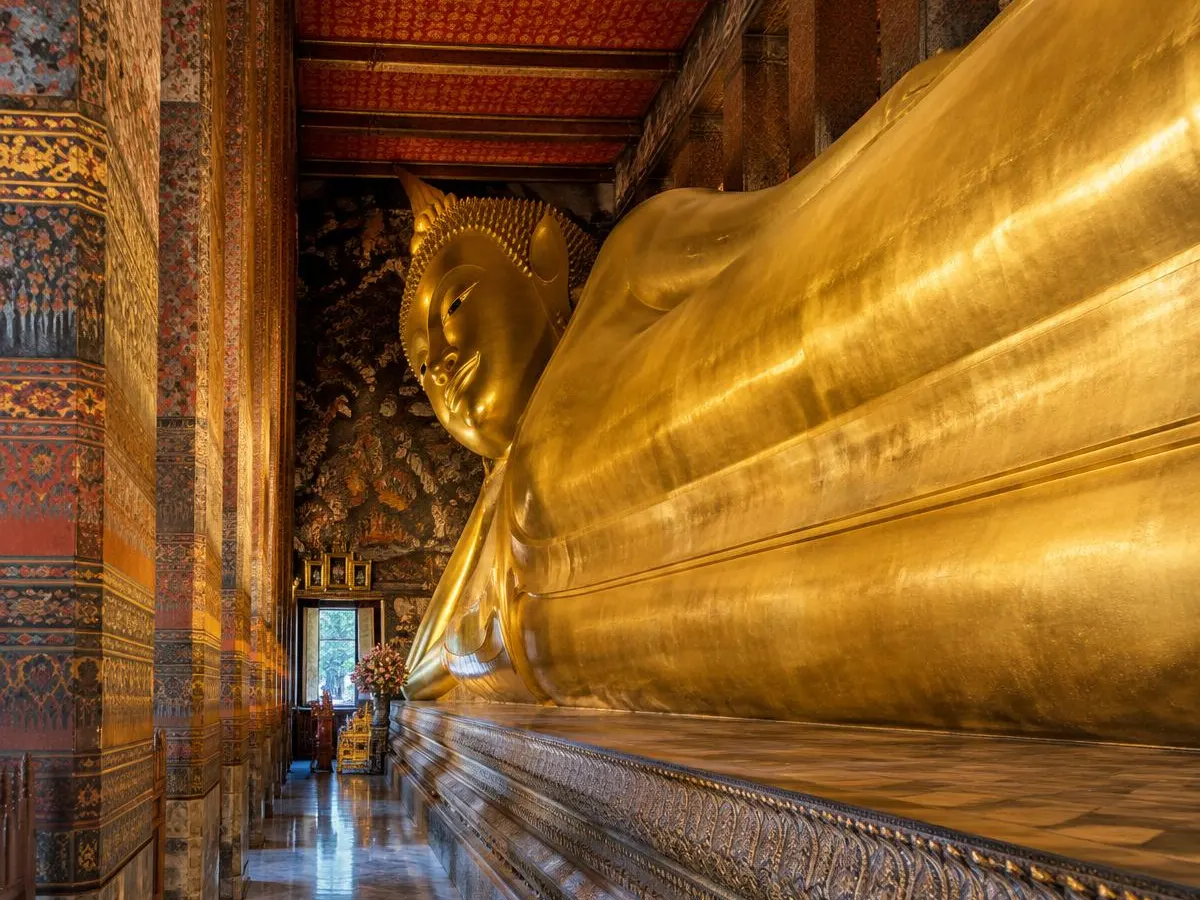
The Reclining Buddha. Its soles are inlaid with mother-of-pearl and show 108 auspicious symbols.
108 bronze bowls. Lining the wall: for a few dozen baht you buy a tray of coins and drop one into each bowl for good luck.
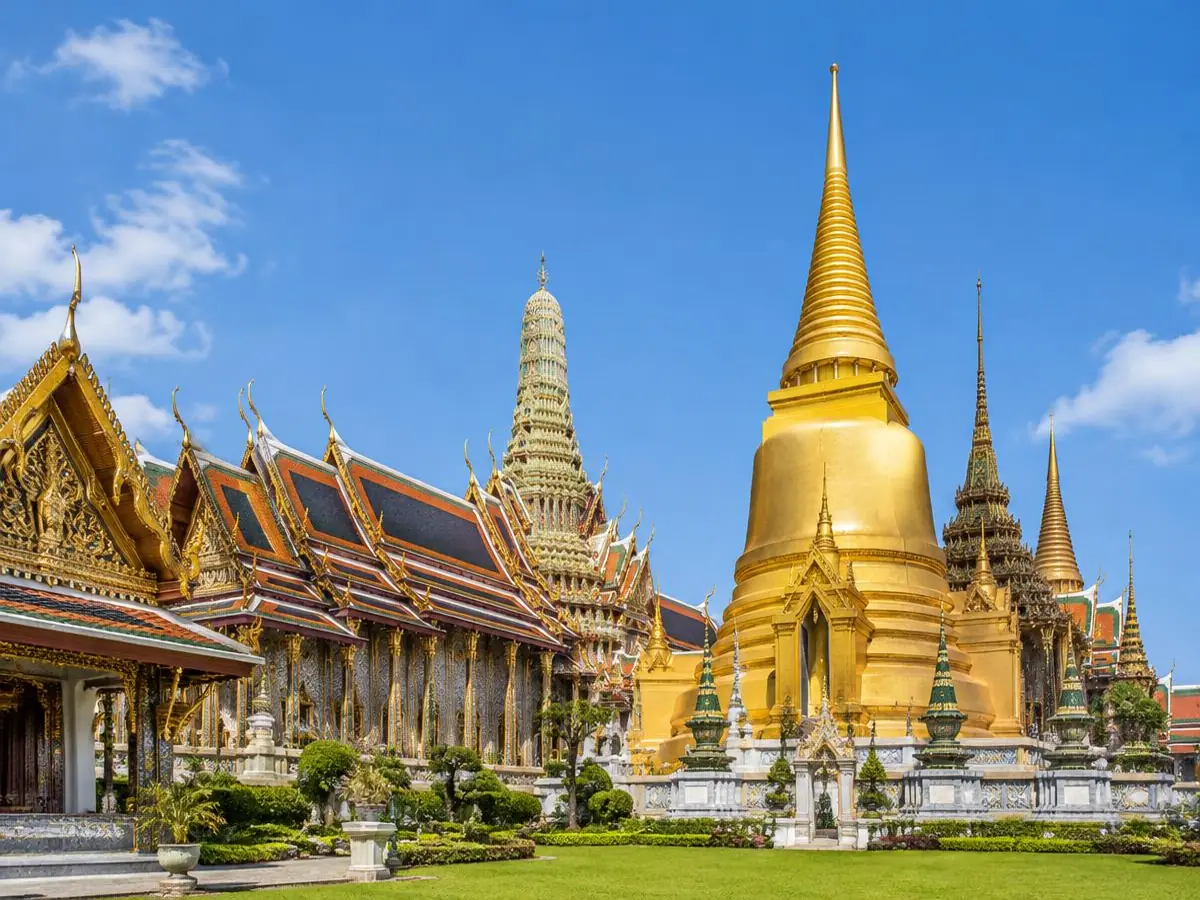
Four great chedis. The Phra Maha Chedi, decorated with porcelain, honouring the first four kings of the Chakri dynasty.
More than 1,000 Buddha images. In the cloisters around the main hall.
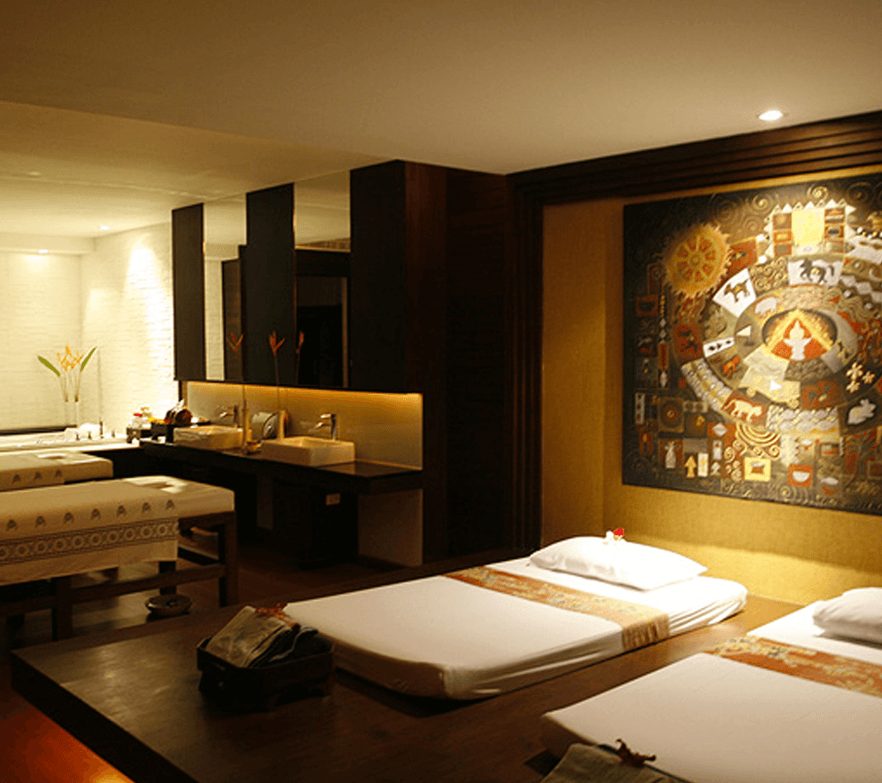
The massage school. Walk into the pavilions on the grounds for a massage, no appointment needed.
Insider tips
- After the Reclining Buddha, wander to the back of the grounds for the loveliest quiet courtyards.
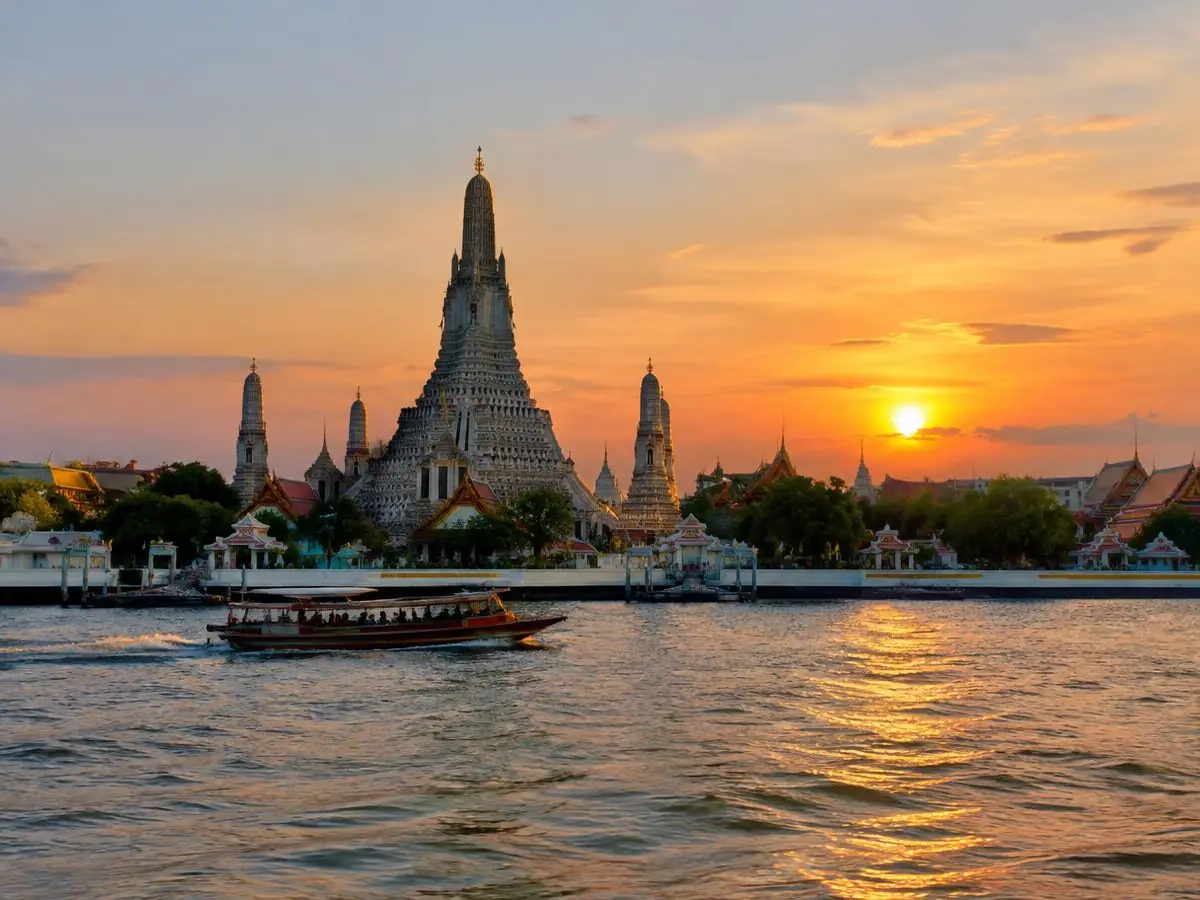
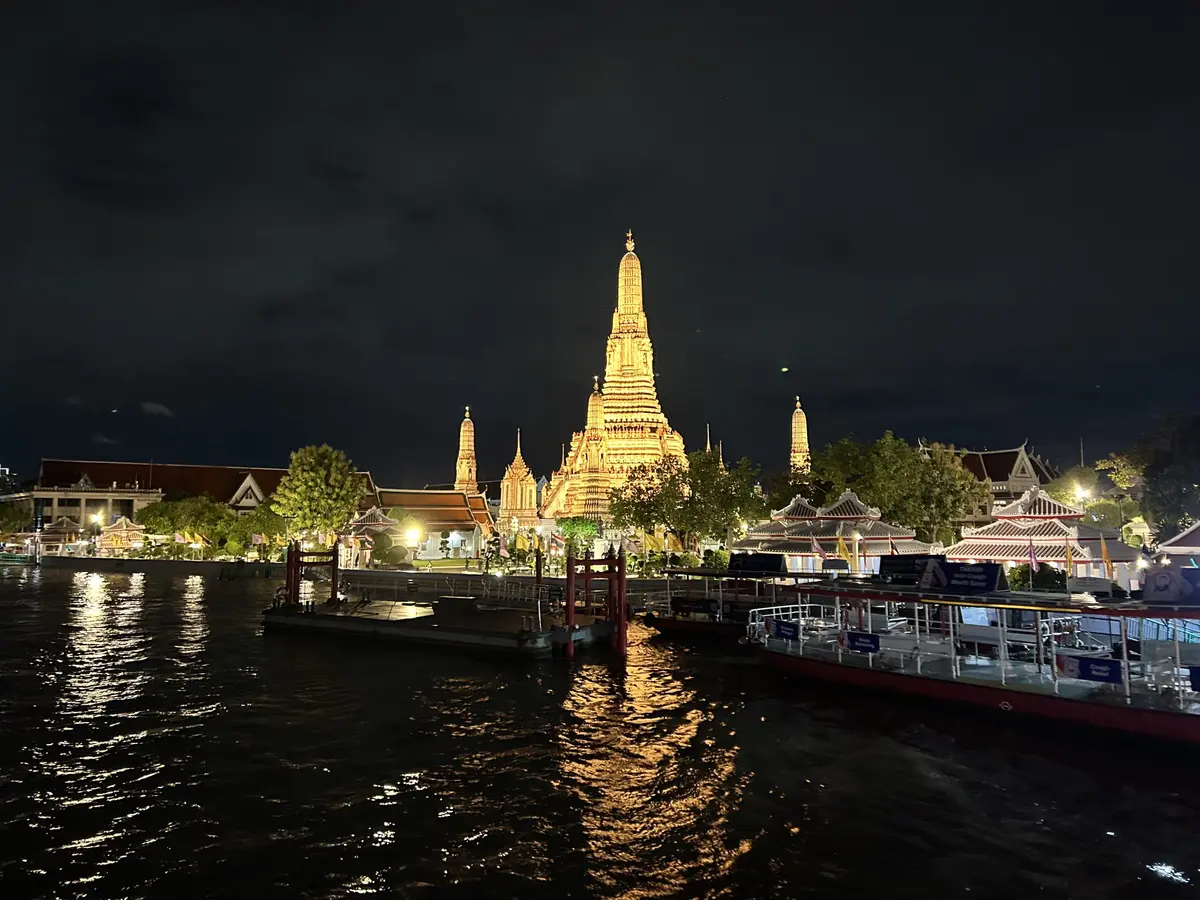
- From Tha Tien pier the ferry gets you to Wat Arun in a few minutes.