History
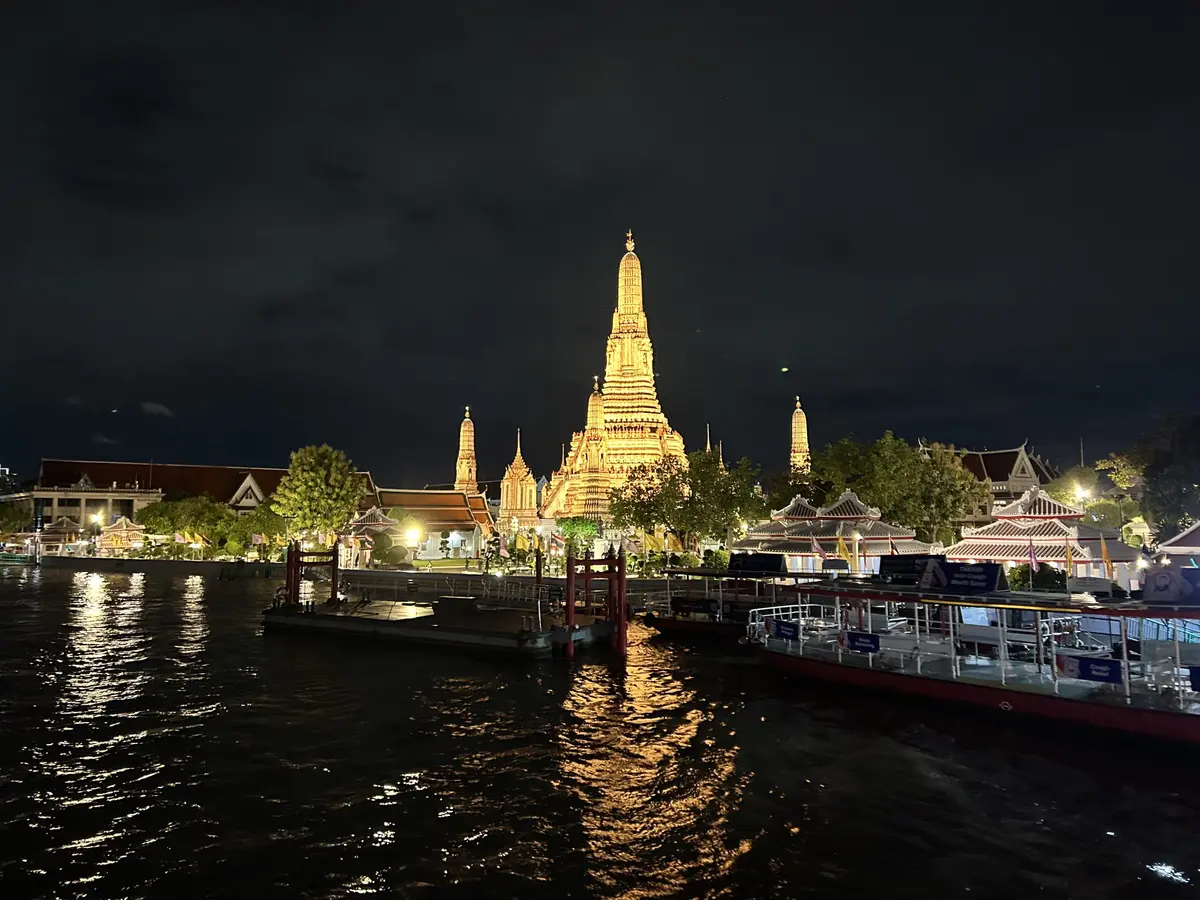
When King Rama I built the Grand Palace in 1782, the Chinese merchant community moved to this stretch along the river, and it grew into Bangkok's commercial centre. The main street was named Yaowarat ('young king') under King Rama V. Chinatown remains the heart of Thailand's gold trade to this day.
What you'll see
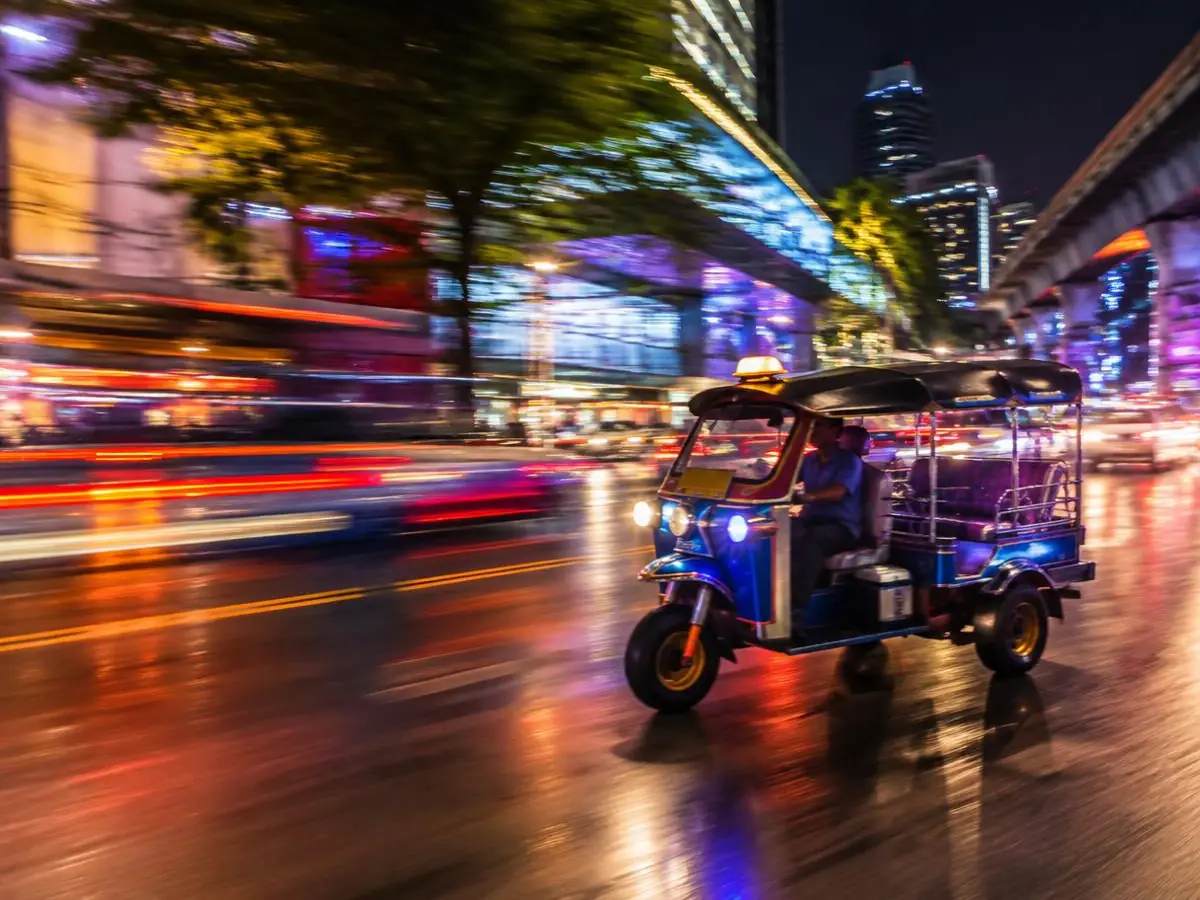
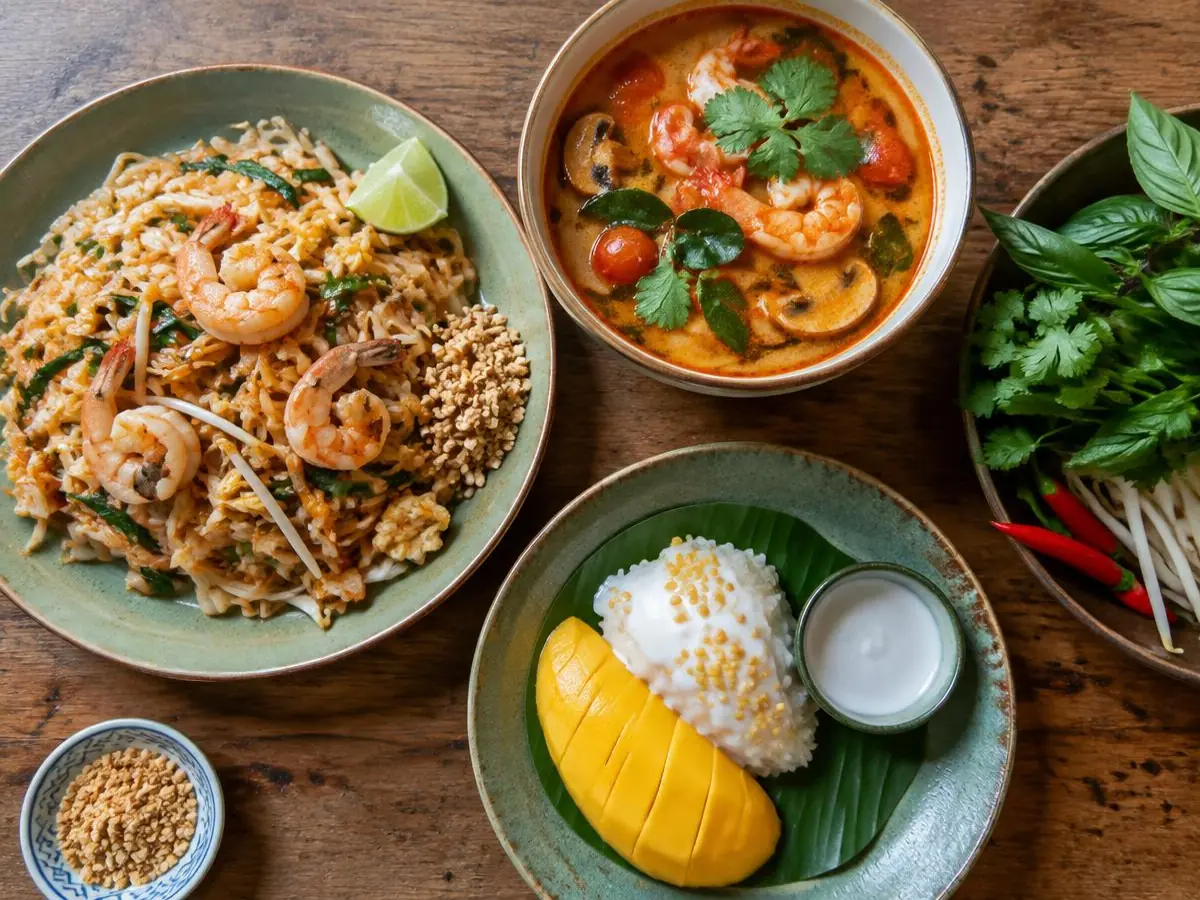
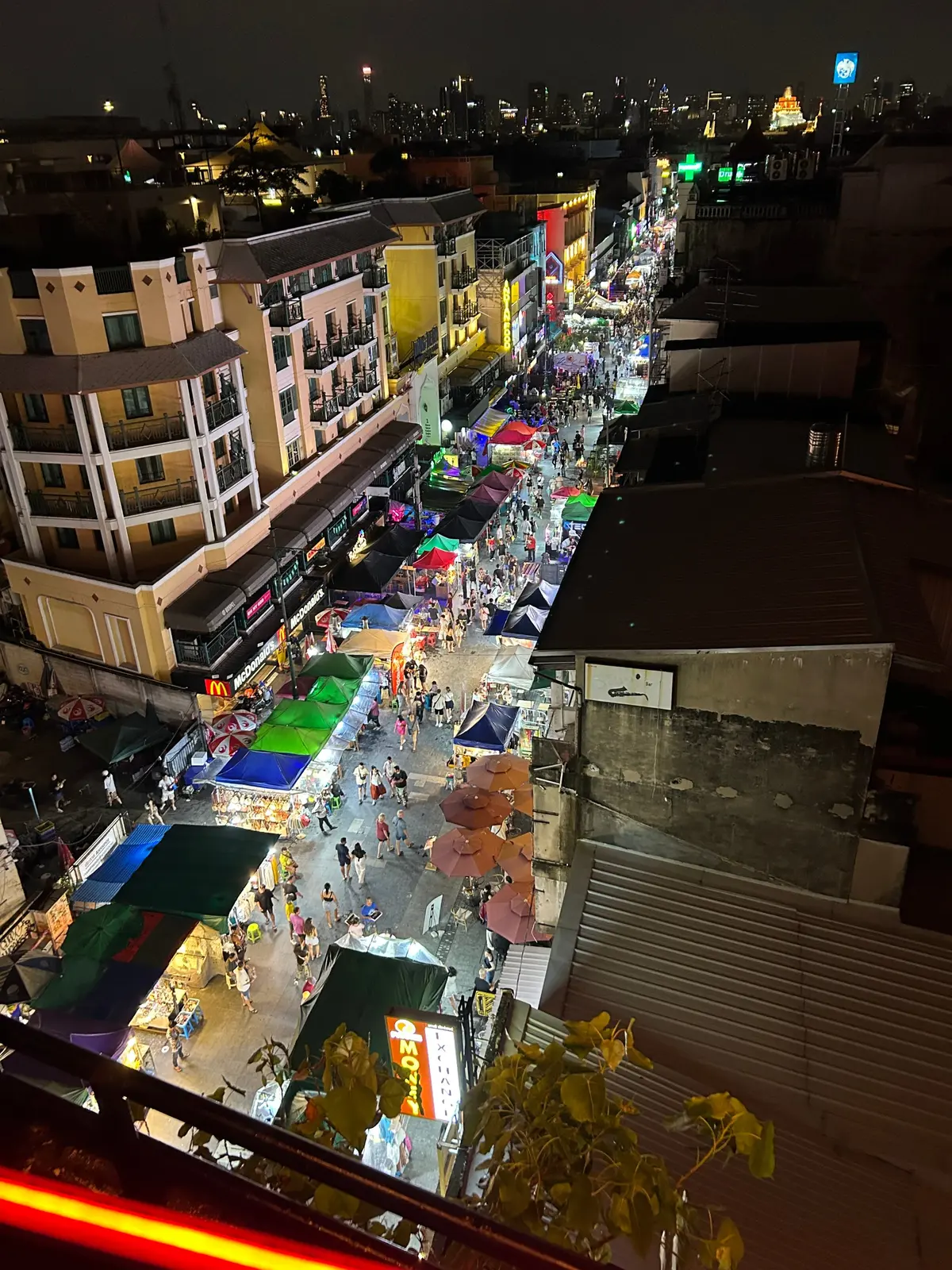
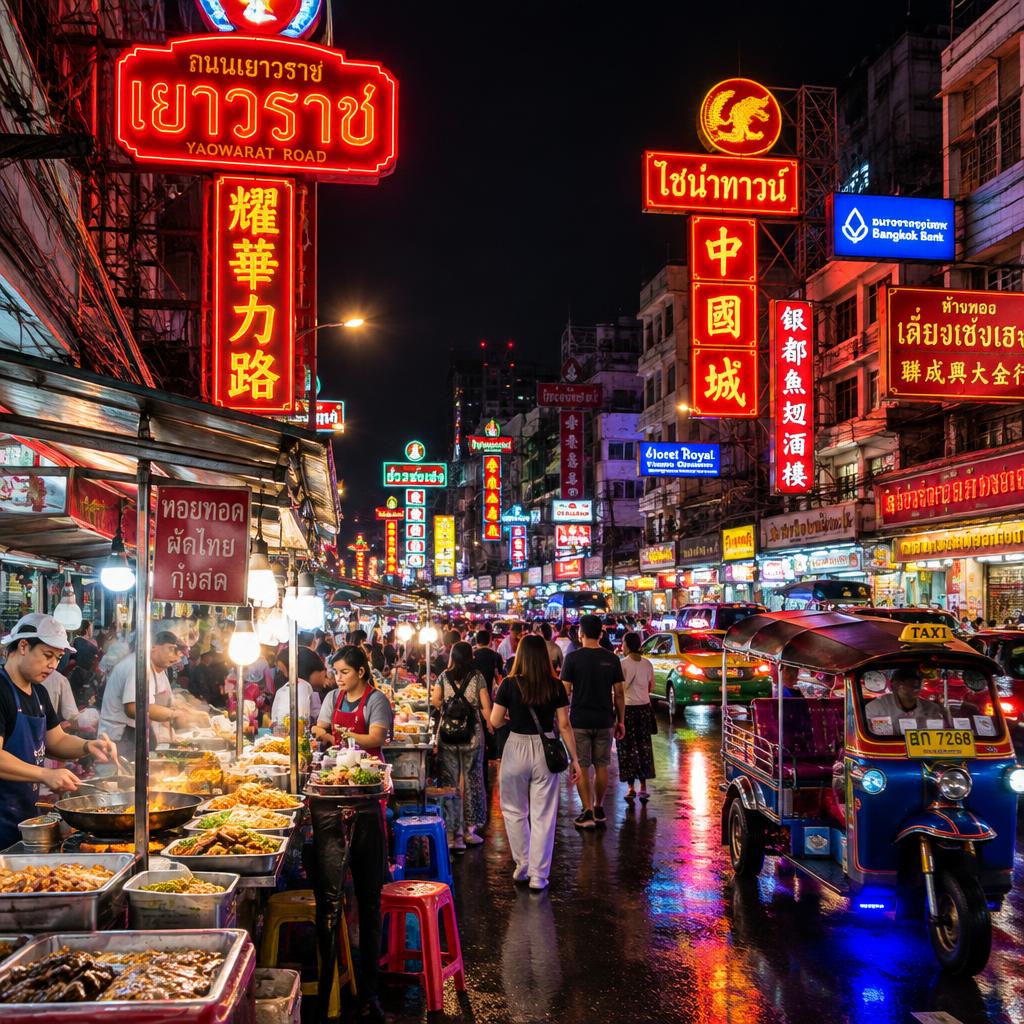
Yaowarat Road by night. Rows of street-food stalls serving seafood, noodles, dim sum and desserts.
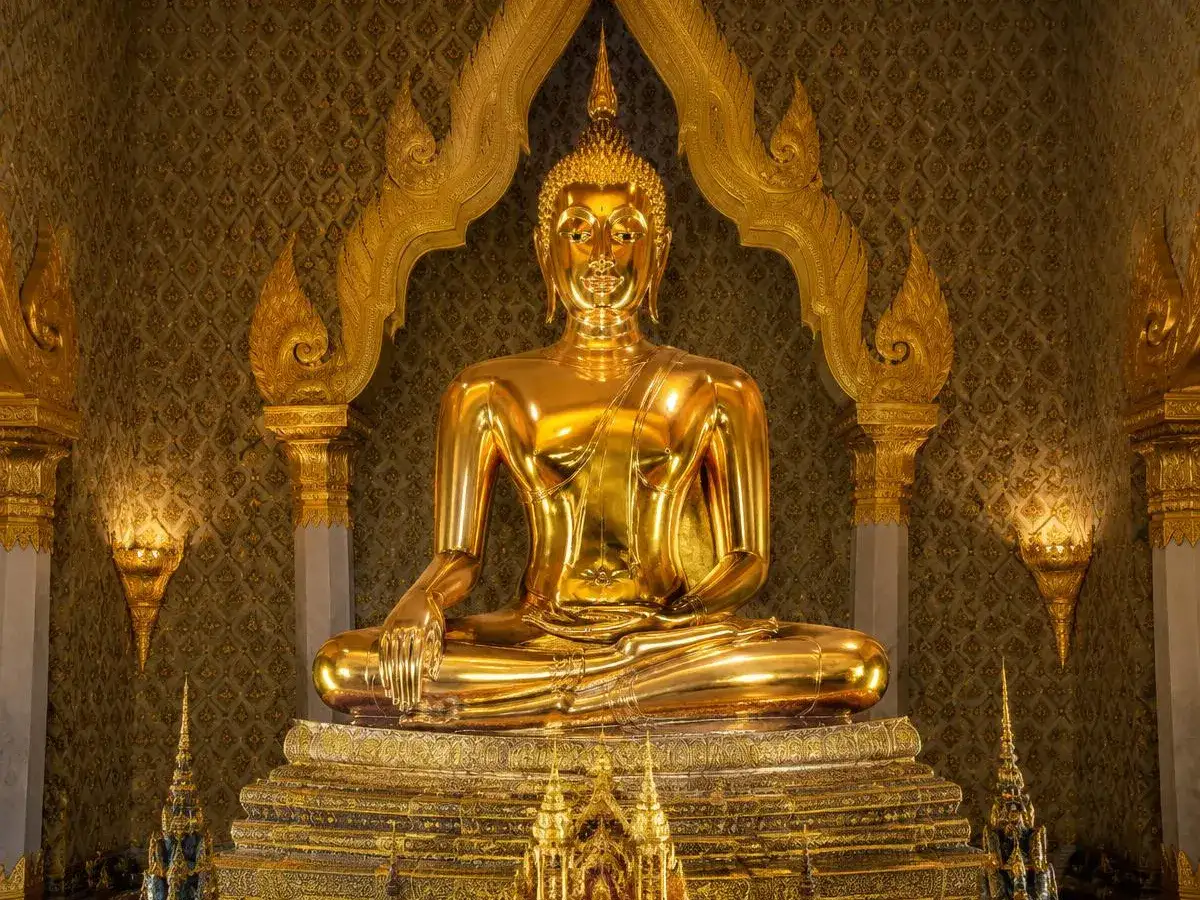
Wat Traimit. The 5.5-tonne Golden Buddha at the entrance to Chinatown.
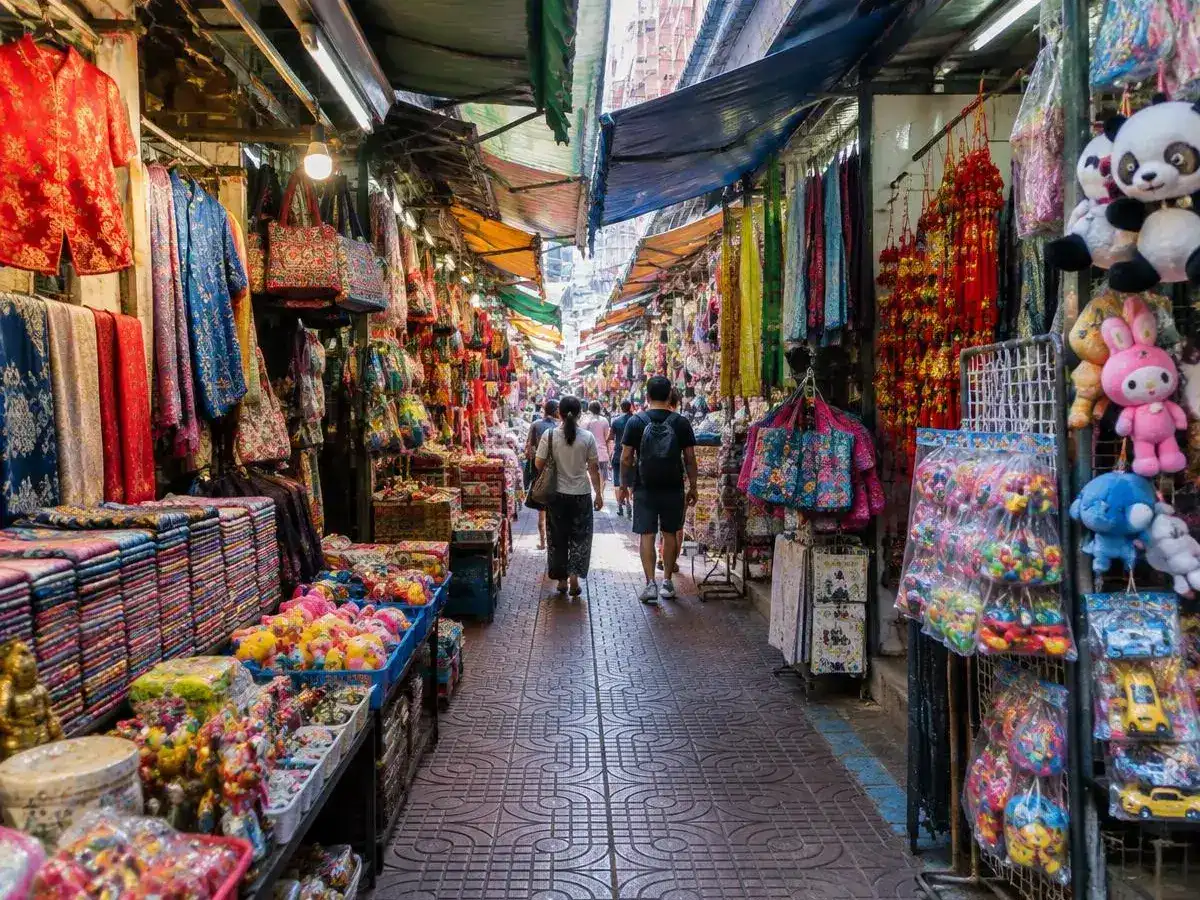
Sampeng Lane. A narrow, covered market alley crammed with wholesalers selling just about everything.
Wat Mangkon Kamalawat. The most important Chinese Buddhist temple, thick with incense.
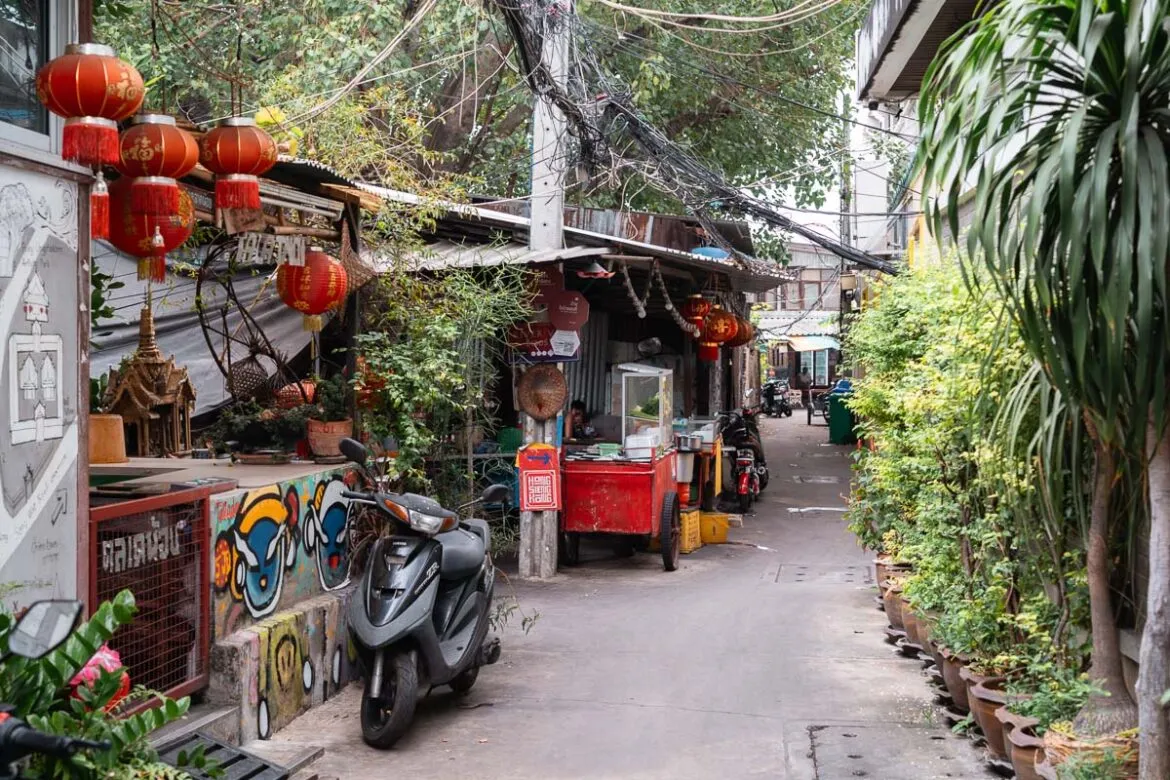
Talat Noi. Old shophouses, street art and riverside cafés.
Insider tips
- Eat where the queue is: those are the stalls the locals know.
- A food tour of the best stalls is a great idea for your first night.
- Chinese New Year and the Vegetarian Festival (October) are extra spectacular, and extra busy.