Health & insurance
Vaccinations
No vaccinations are required for Thailand unless you arrive from a yellow fever country. Which jabs make sense for you depends on your trip and health, so see a travel clinic well before you go (ideally 6 to 8 weeks). Check your routine vaccinations are up to date too.
Mosquitoes and dengue
Dengue fever occurs in Bangkok, especially in the rainy season. The mosquito that carries it bites during the day. Use repellent with DEET or similar, wear light long clothes in the evening and pick a room with air-con or screens. If you get a high fever during or after your trip, see a doctor and say where you've been.
Heat
Don't underestimate the heat, especially from March to May. Drink plenty of water, wear sunscreen, seek shade or air-con in the afternoon and plan outdoor activities early in the day.
Food and drink
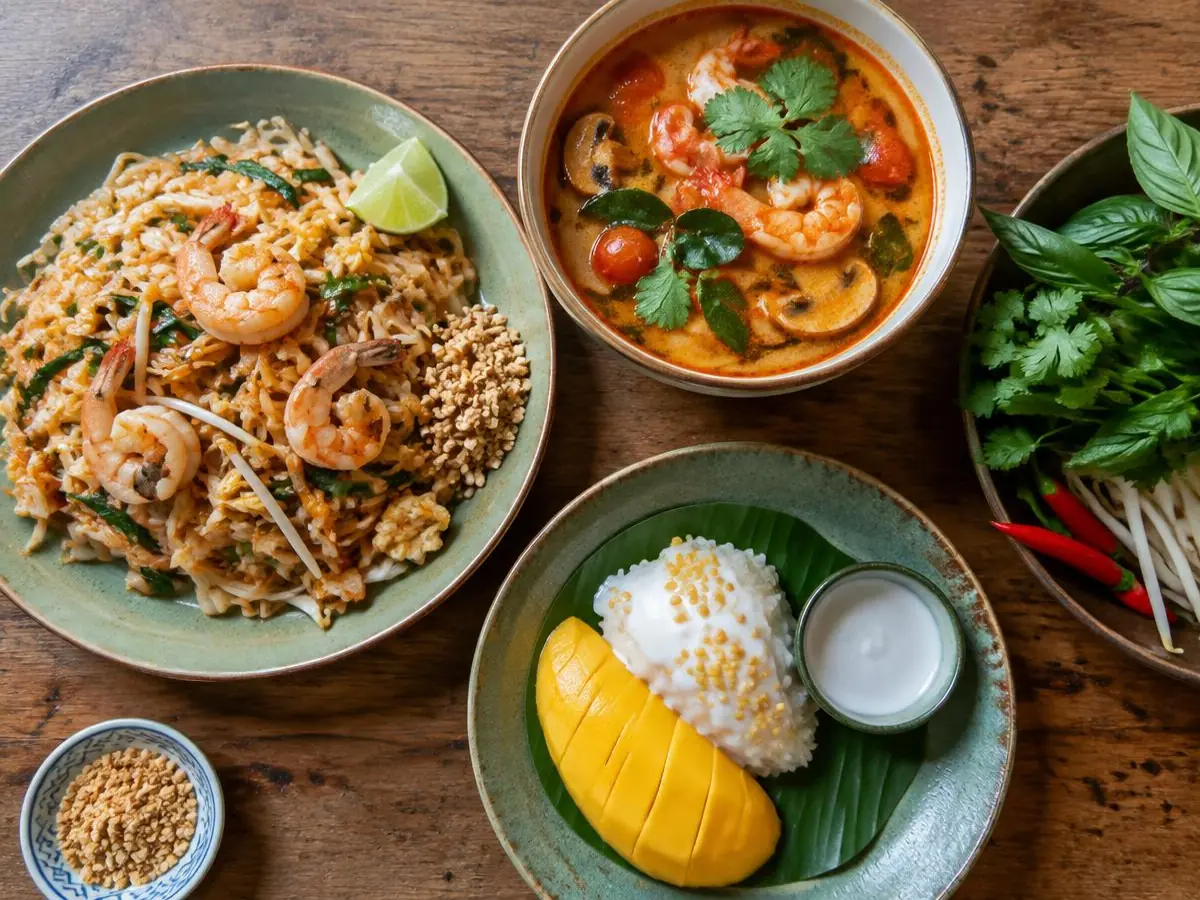
Don't drink tap water; bottled water costs a few baht everywhere and many hotels provide it free. Ice in restaurants and at good street food stalls is made from purified water. Street food is usually fine: pick busy stalls where everything is cooked fresh in front of you. More in food and street food.
Hospitals and pharmacies
Bangkok has private hospitals of international standard with English-speaking doctors. They cost more than public hospitals, so good insurance matters. Pharmacies are on every street and in every mall; pharmacists often speak English and can help with minor issues.
Travel insurance
Travel insurance with good medical cover is strongly recommended. Check what your health insurance covers abroad, and up to what amount. Save your insurer's emergency number in your phone.
Bringing medication
Bring your own medication in the original packaging, in your hand luggage. Some medicines (such as strong painkillers or ADHD medication) need a certificate. Check this in good time with your doctor.
Last checked: November 2026