Money, ATMs & budget
Using ATMs in Bangkok
You'll find ATMs on every corner, at every 7-Eleven and in every station. Thai banks charge a flat fee per withdrawal on foreign cards, usually 220 to 250 baht; some machines charge more on Mastercard. Your own bank may add a little on top.
- Take out larger amounts less often; the fee is per withdrawal, not per baht.
- Asked whether the ATM may convert the amount into your home currency? Choose no and pay in baht. The machine's rate is always worse.
- Check before you go that your card is enabled for use outside Europe or your home region.
- A travel card with no foreign exchange mark-up saves money.
Changing money
Exchange offices in the city, especially the well-known chains, often beat the banks and the airport. Bring clean, undamaged notes; torn or written-on bills are sometimes refused. At the airport, change just enough for your first ride and a meal.
Paying by card
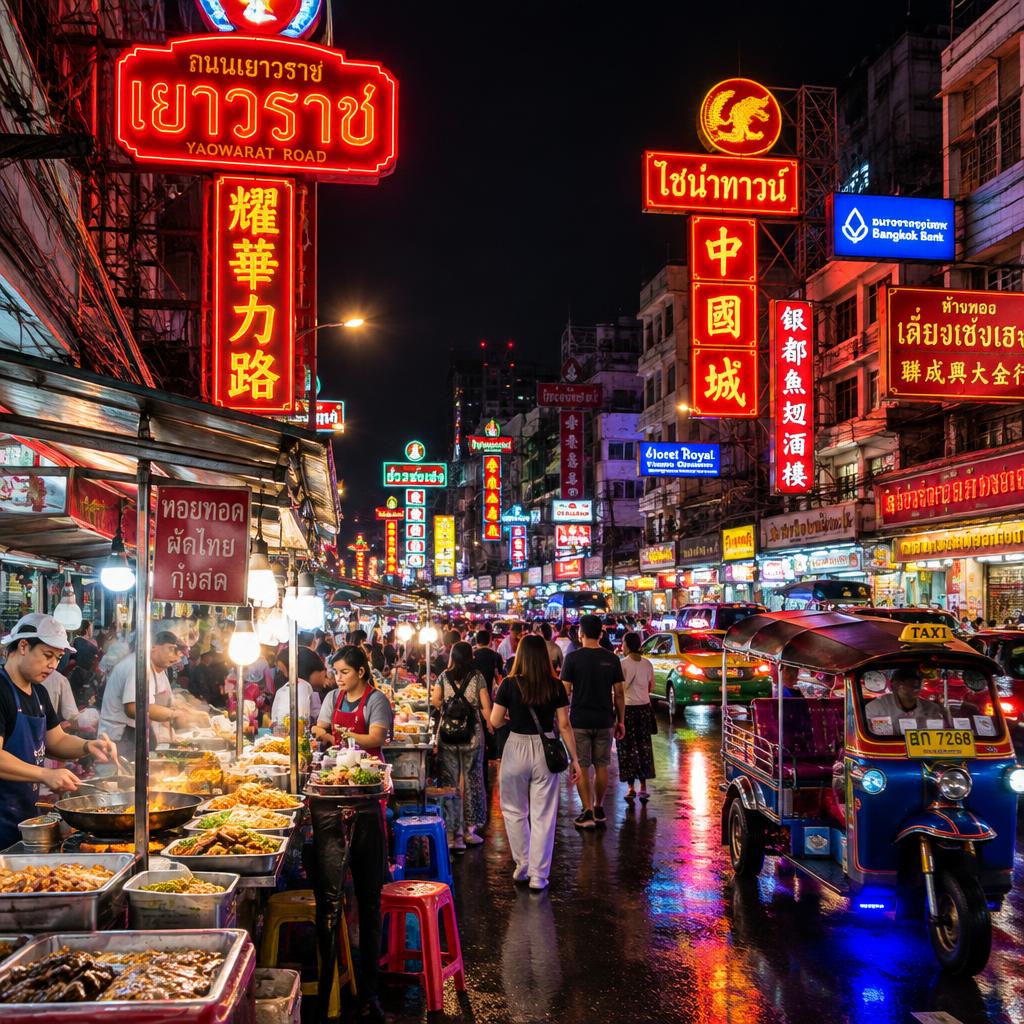
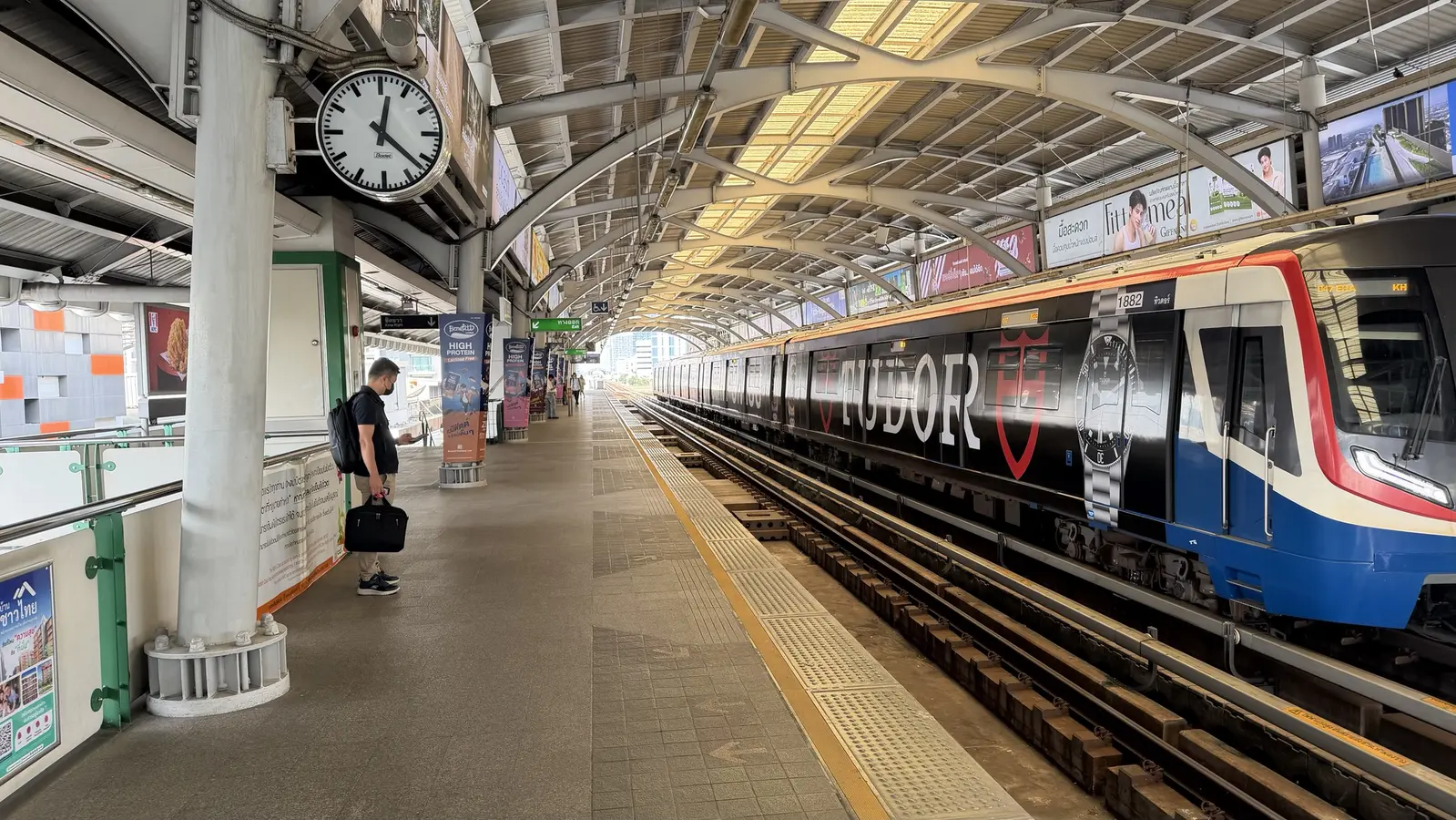
Malls, hotels, larger restaurants and 7-Eleven all take contactless. On the MRT you tap your bank card at the gate (read more). Markets, street food, taxis, tuk-tuks and small temples need cash, or you pay with a QR code (see below).
Paying with a QR code (PromptPay)
In Thailand almost everyone pays by QR code: at street food stalls, markets, restaurants, the barber and even the fruit seller on the corner. Everywhere you'll see a sign with a PromptPay QR code. For a long time foreigners couldn't use it, because you needed a Thai bank account. That has changed.
With the DeepPocket app you can now pay by QR code as a tourist, just like a local:
- Download DeepPocket from the App Store or Google Play and create an account with your passport.
- Top it up with your credit or debit card.
- When paying, scan the seller's QR code, enter the amount and confirm. Done.
- You can pay anywhere you see a PromptPay QR code, including small stalls.
You'll need far less cash and fewer ATM visits, which saves the 220–250 baht fee each time. DeepPocket is run by T2P, a licensed payment provider supervised by the Bank of Thailand. Check the app or the website (link alongside) for current fees and limits. Always keep some cash for places without a QR code and for taxis.
Tipping
Tipping isn't required in Thailand, but it is appreciated.
- In a restaurant: leave the small change, or 20 to 50 baht. If 10% service is already on the bill, nothing extra is needed.
- After a massage: 50 to 100 baht for an hour.
- Taxi: round up.
- Guide or driver for a full day: a few hundred baht is generous.
What does a day in Bangkok cost?
A rough guide per person per day, excluding your hotel:
- Budget (±1,000–1,500 baht): street food, metro and boats, free temples and markets.
- Mid-range (±2,500–4,000 baht): a mix of street food and restaurants, a few entrance tickets, a massage and the odd Grab ride.
- Luxury (from ±6,000 baht): good restaurants, rooftop bars, guided tours and taxis everywhere.
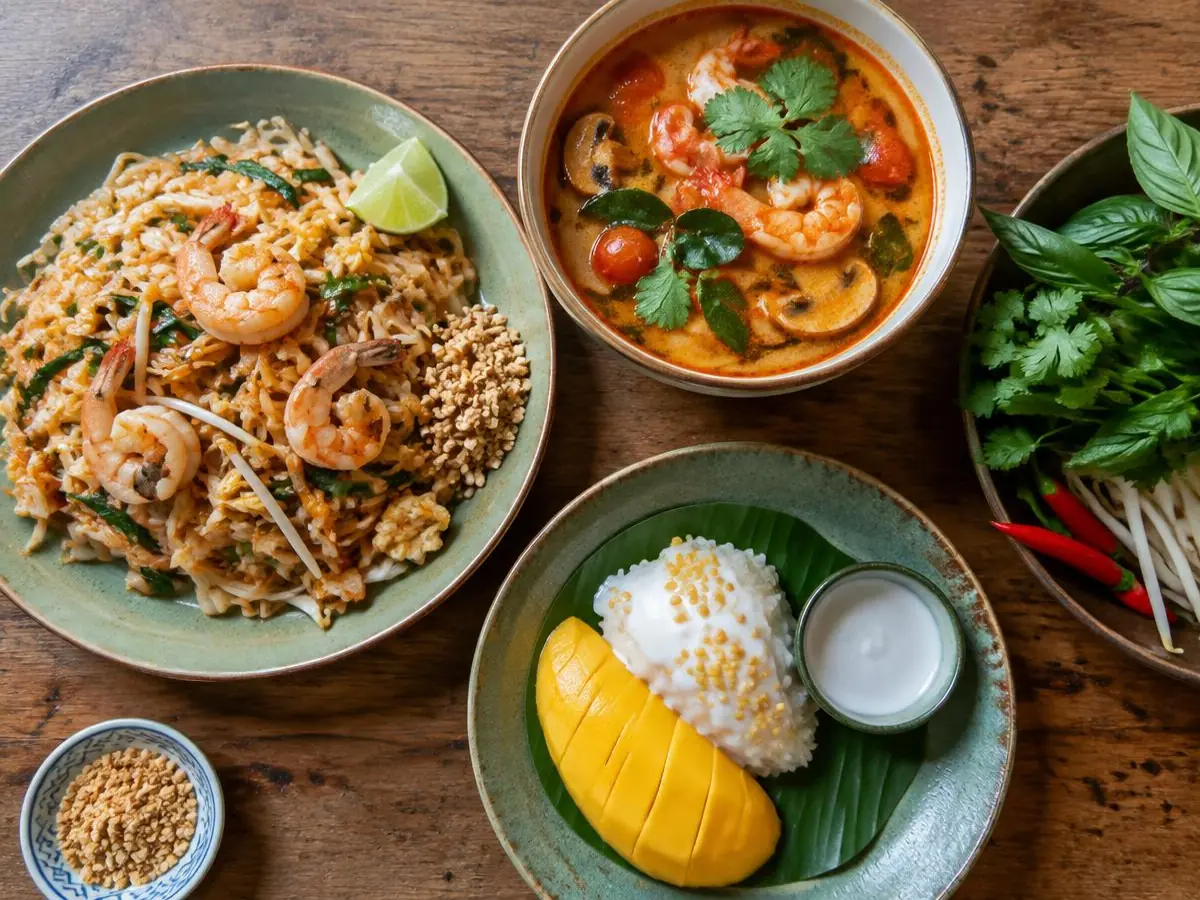
Some sample prices: a plate of street food 50–100 baht, a restaurant meal 300–600 baht, an hour of Thai massage 300–500 baht, a rooftop cocktail 400–600 baht, a BTS ride 17–47 baht. More saving tips in Bangkok on a budget.
Last checked: November 2026